
 +1 (201) 366-6420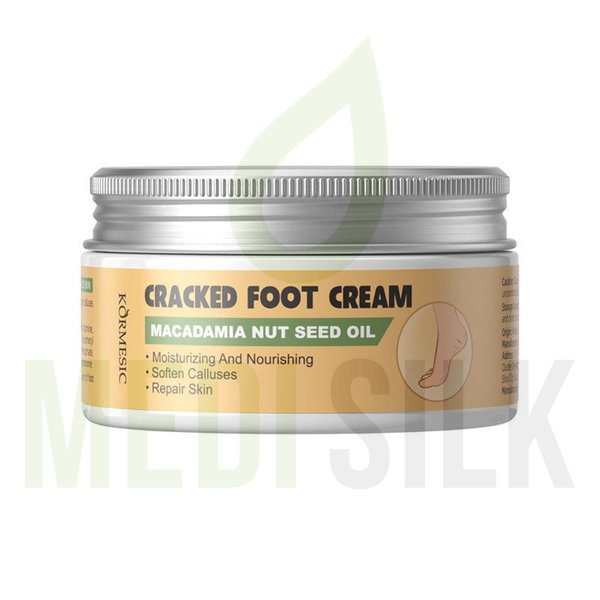
Description
General Product Properties
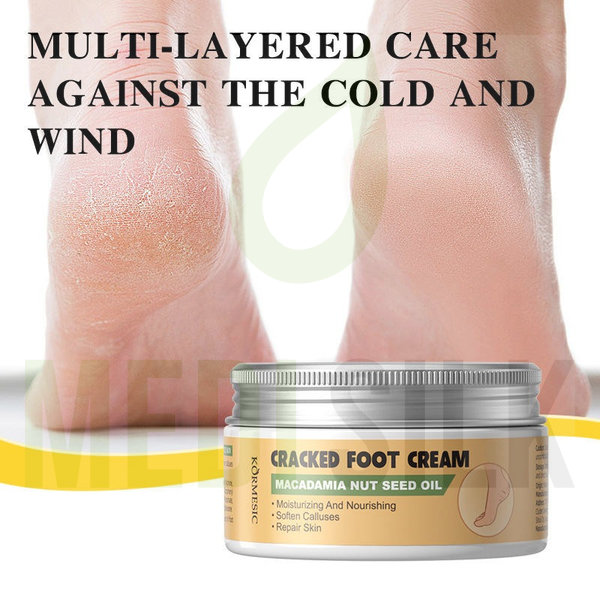
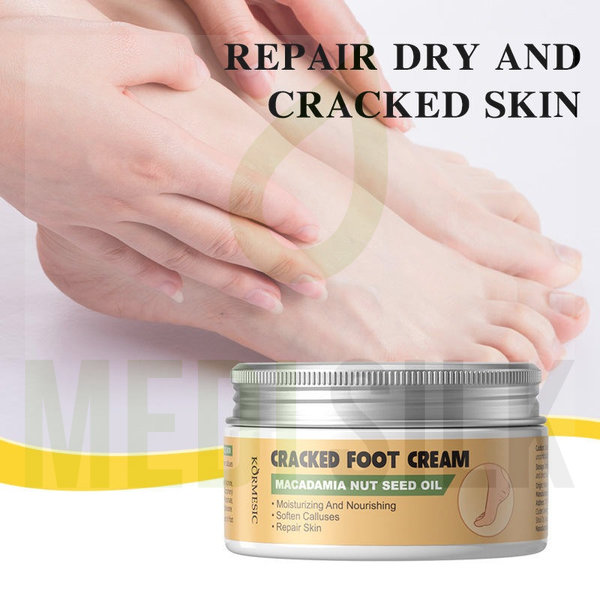
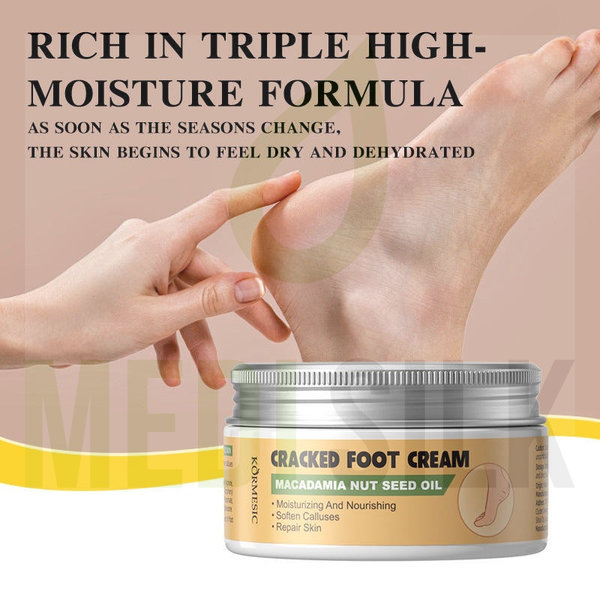
The Kormesic Macadamia Nut Seed Oil Cracked Foot Cream is a specialized, high-intensity foot care treatment designed for the unique needs of the skin on the feet — which differs significantly from the skin on the rest of the body. The plantar skin of the feet is the thickest and most abrasion-resistant skin on the human body, with a stratum corneum that can be 10–20 times thicker than facial skin. It is also subjected to constant mechanical stress from weight-bearing, friction from footwear, and exposure to dry environments. When the lipid matrix that holds the corneocytes together becomes compromised — often due to seasonal dryness, aging, lack of moisture, or continuous pressure — the skin loses flexibility and develops fissures (cracks) that can become painful and prone to infection.
The star ingredient of this cream is Macadamia Nut Seed Oil (also known as Macadamia Ternifolia Seed Oil or Macadamia Integrifolia Seed Oil). Macadamia nut oil is uniquely high in palmitoleic acid (C16:1, Omega-7) — a rare monounsaturated fatty acid that constitutes approximately 18–22% of the oil’s fatty acid profile. Palmitoleic acid is a natural component of human sebum, particularly abundant in younger skin, and its presence decreases significantly with age. This makes macadamia oil uniquely biomimetic — it closely resembles the skin’s own oils and is readily absorbed without feeling greasy.
The fatty acid composition of macadamia nut seed oil includes:
- Oleic Acid (Omega-9): ~55–65% — deeply moisturizing, anti-inflammatory, enhances penetration of other ingredients
- Palmitoleic Acid (Omega-7): ~18–22% — accelerates wound healing, stimulates tissue regeneration, supports lipid barrier repair, anti-inflammatory
- Linoleic Acid (Omega-6): ~2–5% — essential fatty acid for barrier function
- Alpha-Linolenic Acid (Omega-3): ~1–3% — anti-inflammatory, supports cell membrane health
- Palmitic Acid: ~8–9% — provides emolliency and skin-softening properties
- Stearic Acid: ~2–4% — stabilizes the formulation and provides protective occlusion
In addition to its fatty acid profile, macadamia nut oil is rich in:
- Tocopherols (Vitamin E): Powerful antioxidants that protect the skin from oxidative stress and free radical damage
- Tocotrienols: A more potent form of vitamin E with superior antioxidant capacity
- Squalene: A skin-identical lipid that supports barrier function
- Phytosterols: Plant compounds that reduce inflammation and support skin repair
- Flavonoids: Antioxidant compounds that protect against environmental damage
The cream is formulated with a synergistic complex of additional foot-restoring ingredients:
- Urea (10–15%): One of the most effective humectants for hyperkeratotic skin. Urea is a natural component of the skin’s NMF (Natural Moisturizing Factor) and works through dual mechanisms — it hydrates by drawing moisture into the stratum corneum, and it gently keratolytically softens thickened, dead skin cells, making it easier to slough them off. Urea at 10–20% concentration is the gold-standard treatment for cracked heels and plantar hyperkeratosis.
- Shea Butter: Rich in triterpenes and fatty acids that provide deep emolliency, anti-inflammatory protection, and a protective occlusive layer
- Lanolin: A wax ester that closely mimics human sebum and provides exceptional barrier repair and water-binding capacity
- Panthenol (Provitamin B5): Penetrates the skin and is converted to pantothenic acid (vitamin B5), which stimulates epithelialization (wound healing) and provides deep moisturization
- Allantoin: A keratolytic and soothing agent that helps soften calluses and cracks while calming irritation
- Glycerin and Betaine: Osmolytes that draw moisture into the skin and maintain hydration
- Bisabolol: A chamomile-derived anti-inflammatory compound that soothes cracked, painful skin
- Zinc Oxide or Zinc PCA: Provides mild astringent and antimicrobial protection for cracked skin at risk of infection
- Menthol (optional, in low concentration): Provides a cooling, comforting sensation that helps relieve the discomfort associated with painful cracks
The texture is rich, thick, and balm-like — designed to stay in place on the feet and provide sustained overnight treatment. It is not water-thin or lotion-like; it is a dense, concentrated cream that creates a visible protective film on the skin. It absorbs gradually rather than instantly, which is intentional — the prolonged contact time allows the active ingredients to penetrate the thick plantar skin.
Detailed Benefits
Deep and Sustained Hydration of Hyperkeratotic Skin – The most immediate benefit of the cream is its ability to deliver and retain moisture in the thickened, dry skin of the feet. The combination of urea (a powerful humectant that holds up to 100 times its weight in water) and macadamia nut oil (which penetrates the lipid matrix of the stratum corneum) ensures that moisture is delivered to the deepest layers of the calloused skin. Glycerin and betaine further contribute to the humectant load. Unlike lightweight lotions that evaporate from the skin surface within minutes, this cream’s rich, occlusive formulation ensures that hydration is retained for hours — even overnight or under socks. With consistent use, the skin transitions from dry, flaky, and rough to smooth, pliable, and supple.
Repair of Painful Cracks and Fissures – This is the primary targeted benefit of the formulation. Cracked heels (fissures) occur when the skin loses its elasticity and the mechanical forces of walking and weight-bearing cause deep splits in the epidermis, often extending into the dermis where they become painful and can bleed or become infected. The cream addresses fissures through multiple mechanisms:
- Deep hydration restores flexibility to the skin, allowing it to stretch without tearing
- Lipid repair from macadamia oil and lanolin restores the intercellular cement that holds corneocytes together
- Keratolysis from urea (at therapeutic 10–15% levels) gently dissolves the hard, dry edges of cracks, allowing new, healthy skin to emerge
- Wound healing from panthenol (provitamin B5) and palmitoleic acid accelerates re-epithelialization of fissures, reducing pain and healing time
- Protective occlusion from shea butter and lanolin creates a barrier that prevents the crack from reopening during movement
Most users with mild to moderate heel fissures report visible improvement within 7–14 days of nightly use, and complete healing of superficial to moderate cracks within 3–6 weeks.
Intensive Callus Softening and Reduction – Calluses (areas of hyperkeratosis) form on the feet as a protective response to repeated friction and pressure. While calluses serve a protective function, excessive build-up can cause discomfort, create pressure points, and lead to fissures at the margins where hard and soft skin meet. The urea in the cream acts as a gentle chemical exfoliant, breaking down the disulfide bonds in the keratin protein that holds dead skin cells together. This allows the thickened calloused layers to be gently sloughed off over time — more effectively and safely than mechanical methods (pumice stones, callus shavers, foot files) which can damage the underlying living skin if used aggressively. Macadamia oil’s emollient fatty acids soften the callus from within, making it more pliable and easier to slough. With consistent use, calluses become thinner, softer, and less prone to cracking.
Lipid Barrier Restoration for Long-Term Skin Health – The unique palmitoleic acid content of macadamia nut oil is the key to this cream’s barrier-repair benefits. Palmitoleic acid is a component of sebaceous gland secretions and plays a role in maintaining the lipid barrier of the epidermis. As we age, the production of palmitoleic acid decreases, contributing to dry, fragile skin that is prone to barrier disruption. By providing a topical source of this rare fatty acid, the cream replenishes what time and environmental exposure have depleted. The lanolin and shea butter further reinforce the barrier by filling gaps in the lipid matrix and providing a hydrophobic seal that prevents moisture loss.
Anti-Inflammatory and Soothing Relief – Cracked, dry feet are frequently accompanied by inflammation — the skin around cracks is often red, swollen, and tender. Bisabolol (from chamomile) provides gentle, non-irritating anti-inflammatory activity, reducing redness and discomfort. The phytosterols in macadamia oil further modulate the inflammatory response, while allantoin soothes and calms irritated tissue. The optional menthol component provides immediate cooling sensory relief — not through any pharmacological mechanism, but through the activation of TRPM8 (cold-sensitive) receptors in the skin, which creates a pleasant cooling sensation that distracts from the pain of cracks.
Protection Against Infection – Cracks in the skin breach the body’s primary physical barrier against microorganisms. Diabetic individuals and those with compromised immune function are at particular risk of foot infections. The formulation includes ingredients with mild antimicrobial and wound-protective properties: zinc provides a protective barrier and mild astringent effect; the fatty acids in macadamia oil (particularly lauric acid, present in small amounts) have inherent antimicrobial activity; panthenol supports the immune function of skin cells. While the cream is not a medical antiseptic, its ability to accelerate healing and maintain a protective barrier significantly reduces the risk of infection in cracked skin.
Prevention of Recurrence – One of the most frustrating aspects of cracked heels is their tendency to recur once treatment is stopped. The Kormesic cream is designed not only to treat existing cracks but to prevent their return. By restoring the lipid barrier, maintaining optimal hydration levels, and keeping calluses from building up to problematic thickness, the cream creates a more resilient skin environment that can withstand the mechanical stresses of daily activity without cracking. Continuation of use 2–3 times per week after the initial intensive treatment phase is typically sufficient to maintain results and prevent recurrence.
Suitable for Diabetic Foot Care – While medical consultation is essential for anyone with diabetes, the Kormesic Macadamia Nut Seed Oil Cracked Foot Cream is formulated to be suitable for diabetic skin. It is free from irritants, artificial fragrances, dyes, and harsh chemicals that could damage delicate or neuropathic skin. The urea content supports gentle hydration and keratolysis without the mechanical damage that pumice stones or files can cause in insensate feet. The bisabolol and allantoin provide gentle soothing, and the non-acidic pH is compatible with the slightly acidic skin surface. However, individuals with diabetes should consult their podiatrist or healthcare provider before starting any new foot care regimen.
Cosmetically Elegant Despite Its Richness – While the cream is intentionally thick and rich for therapeutic efficacy, it has been formulated to absorb more completely than traditional petroleum-based foot balms. Macadamia oil has an unusually low viscosity for a plant oil and is one of the fastest-absorbing natural oils — it penetrates the skin rapidly without leaving a heavy, greasy film (though some residue is inevitable with a product of this richness and is intentional for overnight treatment). Users can apply the cream before bed and find that by morning, their feet feel deeply nourished without being excessively slippery or sticky.
Potential Method of Application
- Preparation — Soak Feet (Optional but Highly Recommended): For maximum absorption and the best results, soak feet in warm (not hot) water for 10–15 minutes before applying the cream. This softens the calluses and opens the pores, allowing the active ingredients to penetrate more deeply. Add Epsom salts (magnesium sulfate) or apple cider vinegar (1/4 cup per basin) for additional softening and antimicrobial benefits. Gently pat dry with a towel, leaving the skin slightly damp — the cream will lock in this additional moisture.
- Gentle Exfoliation (Optional but Beneficial): After soaking, use a gentle foot file, pumice stone, or exfoliating mitt to buff away loosened dead skin. Focus on calluses and rough patches. Apply only light pressure — the goal is to remove the dead skin that has been softened by the soak, not to abrade the skin aggressively. Over-exfoliation can worsen cracks. For severely cracked skin, skip mechanical exfoliation until the cracks have healed enough to be painless.
- Dispensing: Dispense an amount of cream approximately the size of a cherry to a walnut (1–2 teaspoons / 5–10 mL) per foot, depending on the severity of dryness and cracking. For maintenance use on mildly dry feet, a smaller amount may suffice. The cream is concentrated, and generous application is encouraged for therapeutic results.
- Application to the Feet:
- Begin by warming the cream between your palms for 3–5 seconds to soften it and make it easier to spread
- Apply the cream to the entire foot, including the soles, heels, sides of the feet, and between the toes (but not into the toe webs if moisture is a concern)
- Focus on the heels: Spend 30–60 seconds massaging the cream specifically into the heel area, using circular motions to work it into the cracks and fissures
- Focus on calluses: Apply extra cream to callused areas and massage in firm, circular motions to soften the thickened skin
- Top of the feet: Apply a lighter layer to the dorsal surface of the feet, massaging toward the ankle
- Between toes: With clean fingers, apply a very small amount between each toe, being careful not to leave excessive moisture in the toe webs (which can promote fungal growth in predisposed individuals)
- Massage Technique: Massage the cream into each foot for 2–3 minutes. Use small circular motions with the thumbs over the arches and heels, and longer, sweeping strokes along the sides and top of the foot. This massage serves multiple purposes: it stimulates blood circulation to the feet (which is often poor in individuals with cracked heels), it ensures even distribution of the cream, and it provides therapeutic relaxation. For those with neuropathy (reduced sensation), use gentle pressure and check the skin visually for any signs of irritation.
- Contact Time for Best Results: For maximum therapeutic benefit, the cream should remain on the feet for a minimum of 1–2 hours. For severe cracking, overnight application is highly recommended. The prolonged contact allows the macadamia oil, urea, and panthenol to penetrate the thick stratum corneum and reach the deeper layers where barrier repair occurs.
- Overnight Treatment Method:
- After applying a generous layer of the cream to the feet, wrap each foot in plastic wrap or place the feet in cotton socks (socks are preferred as they are more comfortable and breathable)
- The wrapping or sock creates an occlusive environment that:
- Prevents the cream from rubbing off on bedding
- Increases the temperature of the skin, which enhances penetration of the active ingredients
- Traps moisture against the skin, maximizing hydration
- Keeps the feet warm, which is beneficial for circulation
- For cotton sock method: Apply the cream generously, put on clean cotton socks, and leave overnight. In the morning, the feet will feel significantly softer and smoother. The socks will absorb some of the excess oil, but the skin will retain the benefits.
- For severe cracks: After applying the cream, apply a thin layer of a healing ointment (such as a zinc oxide-based balm or petroleum jelly) over the cracked areas before putting on socks. This creates an additional protective seal.
- For very thick calluses: Apply the cream, wrap feet in plastic wrap (not too tight — just enough to hold the cream in place), then put on cotton socks over the wrap. The plastic wrap enhances occlusion and penetration, while the socks prevent slipping and keep the wrap in place.
- Daytime Use:
- Apply a smaller amount (approximately a pea-sized amount per foot) and allow it to absorb for 5–10 minutes before putting on socks and shoes
- The cream absorbs sufficiently that residue is minimal after the absorption period, though very thin or open-backed shoes should be avoided for 15–20 minutes after application
- For daytime maintenance, a lighter layer 1–2 times per day is sufficient
- Frequency of Use:
- Intensive treatment phase (first 2–4 weeks): Apply the cream at least once daily, preferably twice (morning and night). Nighttime application should be the more generous of the two.
- Maintenance phase (after cracks have healed): Apply 2–4 times per week, or as needed. Continue nightly use during winter months or in dry climates when feet are more prone to dryness.
- For severe, chronic cracks: Continue daily use indefinitely, as the condition is prone to recurrence.
- Combination with Other Foot Care Products:
- With callus peel masks: Do not use the cream on the same days as callus peel masks (which contain strong exfoliating acids). Alternate days — use the peel mask as directed, and resume the cream 1–2 days after the peel when the shedding phase begins.
- With antifungal treatments: If treating fungal infections of the feet (athlete’s foot, onychomycosis), apply the antifungal treatment first, allow it to fully absorb (10–15 minutes), then apply the foot cream. The cream’s barrier-supporting properties can help counteract the drying effects of antifungal medications.
- With medicated foot powders: Use powders during the day for moisture control and the cream at night for intensive treatment. Do not mix the cream with powders at the same application.
- With compression stockings: For those wearing compression stockings for circulation issues, apply the cream before putting on the stockings. The stockings will help hold the cream in place and enhance absorption. Check with a healthcare provider first, as some compression garments should not be used with emollients.
- Special Considerations for Cracked Skin:
- For deep, painful cracks (fissures): Apply the cream liberally and directly into the crack using a clean fingertip. Work the cream into the depth of the fissure. Cover the area with a small piece of liquid bandage or medical tape after application to hold the cream in place and protect the crack from reopening.
- For bleeding cracks: Clean the area gently with mild soap and water. Apply an antiseptic (if recommended by a healthcare provider). Once the bleeding has stopped, apply the foot cream around (not directly into) the open wound until it has closed, then apply directly to the healed crack.
- For infected cracks (signs: warmth, redness, swelling, pus, foul odor): Discontinue use and consult a healthcare provider immediately. Do not use the cream on infected skin until the infection has been treated.
- Precautions:
- For external use only. Avoid contact with the eyes, mouth, and mucous membranes. If contact occurs, rinse immediately with clean, cool water.
- Do not use on open wounds, bleeding cracks, or infected skin until cleared by a healthcare provider.
- Perform a patch test on a small area of skin (inner arm or behind the knee) 24–48 hours before first use if you have sensitive skin or a history of allergic reactions to nut oils. While macadamia nut allergy is distinct from tree nut allergy (macadamia is a member of the Proteaceae family, not the same family as common tree nuts), individuals with known tree nut allergies should exercise caution and consult their allergist.
- For diabetic foot care: Always consult your healthcare provider or podiatrist before starting any new foot care regimen. Inspect feet daily for signs of irritation, redness, or injury, especially if you have reduced sensation (neuropathy). Avoid applying cream between the toes if you are prone to fungal infections or maceration.
- Discontinue use if persistent redness, burning, stinging, rash, or itching develops. While rare, individual sensitivity to any ingredient is possible.
- Keep out of reach of children and pets. Macadamia nut products can be harmful to dogs if ingested — macadamia nut toxicity in dogs causes weakness, vomiting, and hyperthermia.
- Store in a cool, dry place (below 25°C / 77°F), away from direct sunlight and heat. Do not freeze. Keep the container tightly closed when not in use.
- Avoid contact with flooring surfaces immediately after application, as the rich formula can leave slippery residue on tile, wood, and laminate floors. Wear non-slip socks or allow full absorption before walking.
Datasheet
| Property | Details |
| Product Name | Kormesic Macadamia Nut Seed Oil Cracked Foot Cream |
| Brand | Kormesic |
| Product Type | Intensive Foot Repair Treatment / Cracked Heel Cream |
| Key Active Ingredients | Macadamia Nut Seed Oil (Palmitoleic Acid / Omega-7 ~18–22%, Oleic Acid ~55–65%), Urea (10–15%), Shea Butter, Lanolin, Panthenol (Provitamin B5), Allantoin, Bisabolol, Glycerin, Betaine, Zinc Oxide (or Zinc PCA), Tocopherol (Vitamin E), Squalene, Phytosterols |
| Fatty Acid Profile of | Palmitoleic Acid (Omega-7) |
| Macadamia Nut Seed Oil | Oleic Acid (Omega-9) |
| Linoleic Acid (Omega-6) | |
| Alpha-Linolenic Acid (Omega-3) | |
| Palmitic Acid | |
| Stearic Acid | |
| Urea Concentration | 10–15% (therapeutic range for hyperkeratotic skin — gentle keratolytic and humectant) |
| pH Level | 5.0–6.5 (mildly acidic — compatible with healthy skin pH) |
| Skin Type | Dry, very dry, cracked, calloused, rough, mature feet; suitable for normal feet in maintenance |
| Primary Concerns | Cracked heels (fissures), plantar hyperkeratosis (calluses), dry and rough feet, aged feet, diabetic foot care (with medical guidance), winter foot care, loss of skin elasticity |
| Key Benefits | Repairs deep cracks and fissures, softens calluses, provides deep hydration, restores lipid barrier, promotes wound healing (panthenol + palmitoleic acid), anti-inflammatory soothing, prevents recurrence, protects against infection |
| Texture | Rich, thick, balm-like cream — dense yet spreadable; absorbs gradually leaving a protective film |
| Absorption | Gradual (intentional) — designed for sustained contact; macadamia oil provides faster absorption than many plant oils |
| Fragrance | Very mild, natural nutty scent from macadamia oil; no added synthetic perfumes or essential oils (minimizes irritation risk on damaged skin) |
| Free From | Artificial fragrances, synthetic dyes, parabens, sulfates, phthalates, mineral oil, drying alcohols |
| Testing | Dermatologically tested, hypoallergenic, non-irritating, patch tested on sensitive skin |
| Usage Frequency | Intensive: 1–2 times daily (morning and night); Maintenance: 2–4 times weekly |
| Application Method | Apply generously to clean, preferably damp feet; massage thoroughly; leave for minimum 1–2 hours or overnight under cotton socks for best results |
| Application Amount | Cherry to walnut-sized amount (5–10 mL) per foot for intensive treatment; smaller for maintenance |
| Packaging | Tube (typically 75–200 mL) or tub with screw-top lid; opaque or UV-protective packaging to preserve oil stability |
| Shelf Life | Typically 24–36 months from manufacture date; use within 12 months after opening |
| Suitable For | Daily use, year-round use, all ages (adults and seniors), diabetic foot care (with physician approval), pre/post pedicure maintenance |
 Shop Feed